Powering everyday customer decisions

Powering everyday customer decisions

The platforms that reach your customer are multiplying.
Social. Commerce. AI agents.
Each one taking a piece of the relationship.

The risk isn't losing the sale.
It's becoming someone else's fulfilment endpoint.

The brands that survive own the connection.
They earn the habit. They become the default.

That isn't marketing. It's strategic position.

Kesetian defines how that happens and turns it into something you can build.

The platforms that reach your customer are multiplying. Social. Commerce. AI agents.
Each one taking a piece of the relationship.

The risk isn't losing the sale.
It's becoming someone else's fulfilment endpoint.

The brands that survive own the connection.
They earn the habit. They become the default.

That isn't marketing. It's strategic position.

Kesetian defines how that happens and turns it into something you can build.

New White Paper: The Age of Privileged Data

New White Paper: The Age of Privileged Data

Why Customer Understanding Matters More Than Customer Behaviour

Why Customer Understanding Matters More Than Customer Behaviour

Why loyalty is becoming a strategic imperative


For years, loyalty was a marketing programme.
Points. Tiers. Promotions. A deferred discount dressed up as a relationship.

That model is breaking.
Not because customers are less loyal, but because the channels that reach them are no longer yours.

Social platforms own discovery.
Commerce platforms own the transaction.
AI agents will soon own curation.

In each case, the customer relationship is mediated by someone else. Your brand becomes a choice among many — selected on price, availability, or algorithmic preference.

The only way out is to own the connection.

To build a direct, ongoing relationship that doesn't depend on rented reach.
To become the platform your customer returns to — not because they were nudged there, but because it's where the relationship lives.

This is what modern loyalty actually is.
Not a programme. A platform.
Not a reward. A relationship.


Not at the point of transaction,
but in the moments leading up to it.

It lives in memory. In habit. In expectation.

The brands that grow aren’t simply better value. They are easier to choose.
More familiar. More present. More meaningful.

Loyalty is how that happens.

Not because of points or promotions.
But because it is a repeated choice, made in the presence of alternatives.

That choice isn’t accidental.

It is shaped over time through systems that recognise, connect, and remember customers — making a brand easier to choose again.

Two forces.
Most brands have built one


Customer Platform
(The Surface)

The owned space where the brand is experienced — content, commerce, interaction, all in one continuous place.

The question isn't whether you have an app. It's whether anyone opens it without being prompted by someone else's algorithm.

Motivational Marketing
(The Engine)

The mechanics that drive behaviour and memory — rewards, progress, status, recognition.

The question isn't whether your programme is active. It's whether it creates behaviour that survives when the nudge disappears.


Motivation drives behaviour.


Behaviour drives platform usage.


Platform usage reinforces the brand.

This is how you own the connection.
Most programmes have the engine. Few have the surface that earns independence from rented channels.
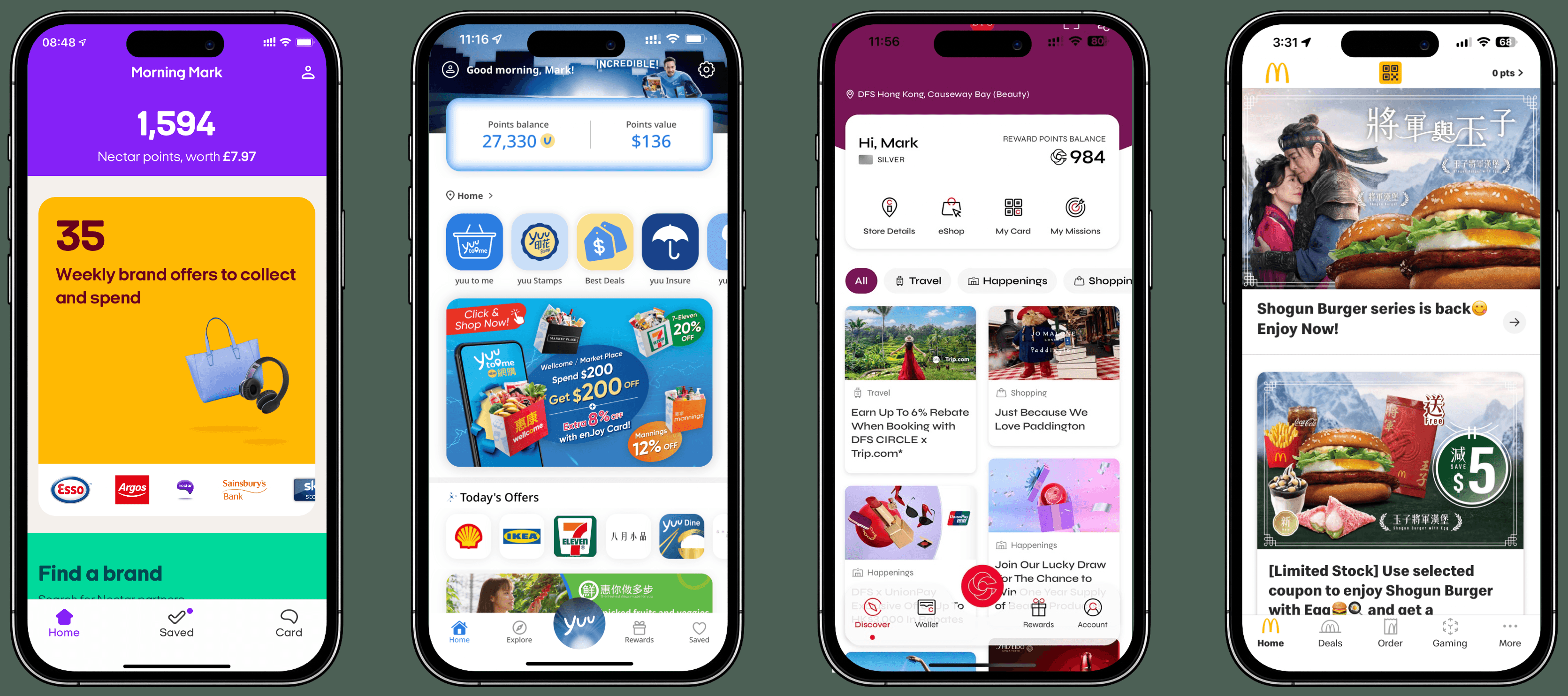
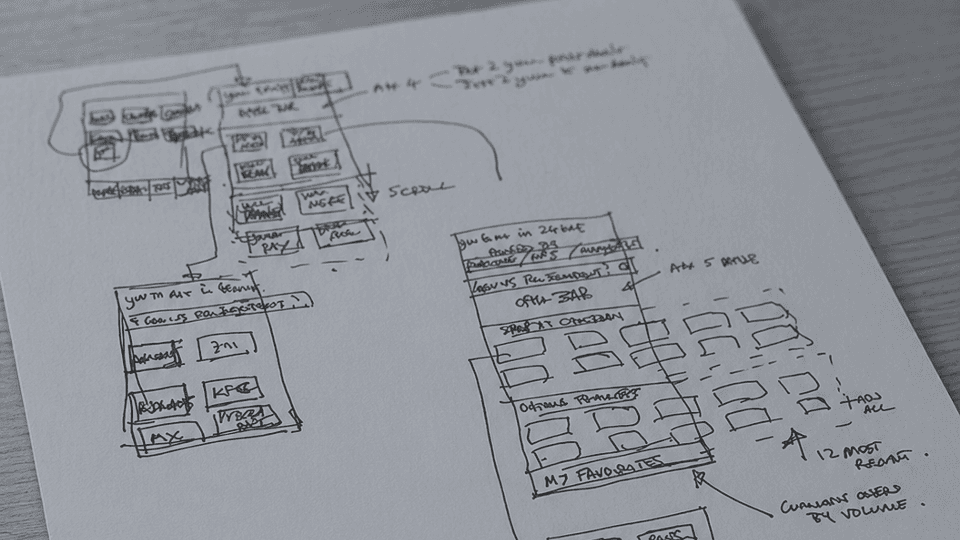
Customer Platform Global Examples

Customer Platform Global Examples

The cost of not owning the connection

When you don't own the customer relationship, you don't own the customer data.
When you don't own the data, you don't own the understanding.

And when you don't own the understanding…
You compete on the only thing the platform lets you compete on: Price.

This is the slow drift into commodity.
Not dramatic. Not sudden. Just a gradual realisation that your brand is a fulfilment endpoint — chosen by algorithm, retained by discount, and forgotten the moment a better option appears.

Loyalty is the counterweight.
But only if it's built as a platform, not a programme.
Only if it creates a centre of gravity strong enough to pull customers back — even when the algorithm points elsewhere.

When you don't own the customer relationship, you don't own the customer data.
When you don't own the data, you don't own the understanding.

And when you don't own the understanding…
You compete on the only thing the platform lets you compete on: Price.


This is the slow drift into commodity.
Not dramatic. Not sudden. Just a gradual realisation that your brand is a fulfilment endpoint — chosen by algorithm, retained by discount, and forgotten the moment a better option appears.


Loyalty is the counterweight.
But only if it's built as a platform, not a programme.
Only if it creates a centre of gravity strong enough to pull customers back — even when the algorithm points elsewhere.

When you don't own the customer relationship, you don't own the customer data.
When you don't own the data, you don't own the understanding.

And when you don't own the understanding…
You compete on the only thing the platform lets you compete on: Price.

This is the slow drift into commodity.
Not dramatic. Not sudden. Just a gradual realisation that your brand is a fulfilment endpoint — chosen by algorithm, retained by discount, and forgotten the moment a better option appears.

Loyalty is the counterweight.
But only if it's built as a platform, not a programme. Only if it creates a centre of gravity strong enough to pull customers back — even when the algorithm points elsewhere.

Experience that informs perspective

This perspective isn’t theoretical. It’s built through hands-on experience — designing, launching, and operating loyalty and customer platforms at scale, and within real commercial constraints.

This perspective isn’t theoretical. It’s built through hands-on experience — designing, launching, and operating loyalty and customer platforms at scale, and within real commercial constraints.

From C-suite leadership to design and delivery, the focus has always been the same - to understand what actually drives behaviour, and to build solutions that make repeat choice more likely.

That means deliberately designing the experience layer and how customers engage with the system - how behaviour is shaped over time. When done well, this drives adoption and sustained usage, as seen with yuu Rewards (Hong Kong), reaching 65% of the population and becoming the #1 brand in market.

From C-suite leadership to design and delivery, the focus has always been the same - to understand what actually drives behaviour, and to build solutions that make repeat choice more likely.

That means deliberately designing the experience layer and how customers engage with the system - how behaviour is shaped over time. When done well, this drives adoption and sustained usage, as seen with yuu Rewards (Hong Kong), reaching 65% of the population and becoming the #1 brand in market.

Led and operated loyalty and customer platforms at C-suite level

Designed and launched award winning programmes across Europe, Asia, ANZ, and the US

Experience spanning grocery, banking, payments, luxury, consumer goods, and travel

50m+ members across platforms designed, built, and grown

This thinking underpins the work with brands and partners — applied in practice to drive growth and customer connection

This thinking underpins the work with brands and partners — applied in practice to drive growth and customer connection

Loyalty 2030

Loyalty 2030

The Age of Privileged Data

The Age of Privileged Data

A forward-looking view of how conversational AI is changing customer data —
and why understanding will matter more than behaviour.

A new paper from Kesetian

A forward-looking view of how conversational AI is changing customer data —
and why understanding will matter more than behaviour.

A new paper from Kesetian

What does this look like for you?

If you're watching your customer relationship get intermediated — by platforms, by algorithms, by channels you don't control — there's a question worth asking.

Are you building loyalty? Or are you just renting reach?

The conversation usually starts with the gap between what your programme is doing and what your business actually needs.

Customer platforms, loyalty, and behaviour design

What does this look like for you?

If you're watching your customer relationship get intermediated — by platforms, by algorithms, by channels you don't control — there's a question worth asking.

Are you building loyalty? Or are you just renting reach?

The conversation usually starts with the gap between what your programme is doing and what your business actually needs.

Customer platforms, loyalty, and behaviour design

What does this look like for you?

If you're watching your customer relationship get intermediated — by platforms, by algorithms, by channels you don't control — there's a question worth asking.

Are you building loyalty? Or are you just renting reach?

The conversation usually starts with the gap between what your programme is doing and what your business actually needs.

Customer platforms, loyalty,
and behaviour design